Are there specific or subtopics you need included?
2026 M&E trends: simplicity, authenticity, and the rise of ... - EY 17 Dec 2025 —
Each segment of the file name, separated by periods, provides a specific metadata tag that categorizes the content:
Historically, "entertainment content" was passive. You bought a ticket, turned on a TV, or listened to a radio. The boundary between the producer (Hollywood, the major networks, publishing houses) and the consumer was a solid wall.
Released during a prolific period for the studio, "Jossa" is a high-resolution image set that exemplifies the Met-Art aesthetic: a focus on natural beauty, high-end production values, and an emphasis on "Erotic & Beauty" (often abbreviated as EB).
Are there specific (like marketing, regulations, or technology) you want to expand?
For most of the 20th century, entertainment content followed a top-down model. A handful of major Hollywood studios, television networks, and print publishers acted as cultural gatekeepers. Content was created for the masses, meaning television shows, films, and music had to appeal to broad demographics to succeed. This created a shared cultural lexicon; millions of people watched the same broadcast at the same time, establishing a unified pop-culture conversation.
However, this democratization has a dark side: the burnout economy. The algorithm demands quantity. To stay relevant, creators must produce daily content. The result is a rise in "slop"—low-effort, AI-generated, or recycled designed solely to game the recommendation engine. The line between creator and content farm has blurred.
The quality of the best content available today is a 10/10 . The accessibility is a 9/10 . However, the business models, discovery algorithms, and fatigue from franchise oversaturation drag the overall experience down to a 7/10 .
Entertainment is no longer confined to screens; in 2026, it is increasingly about immersive and physical participation
has blurred the line between professional and amateur. A "viral moment" is now a legitimate career path. This shift has fundamentally altered popular media in three ways:
Are you researching the from the early 2010s? Share public link
: Highlighting how "Entertainment-Education" tools focus on empowerment and identifying inequality [6].
What is the for this article (e.g., marketers, students, general public)? What is your desired word count or length constraint?
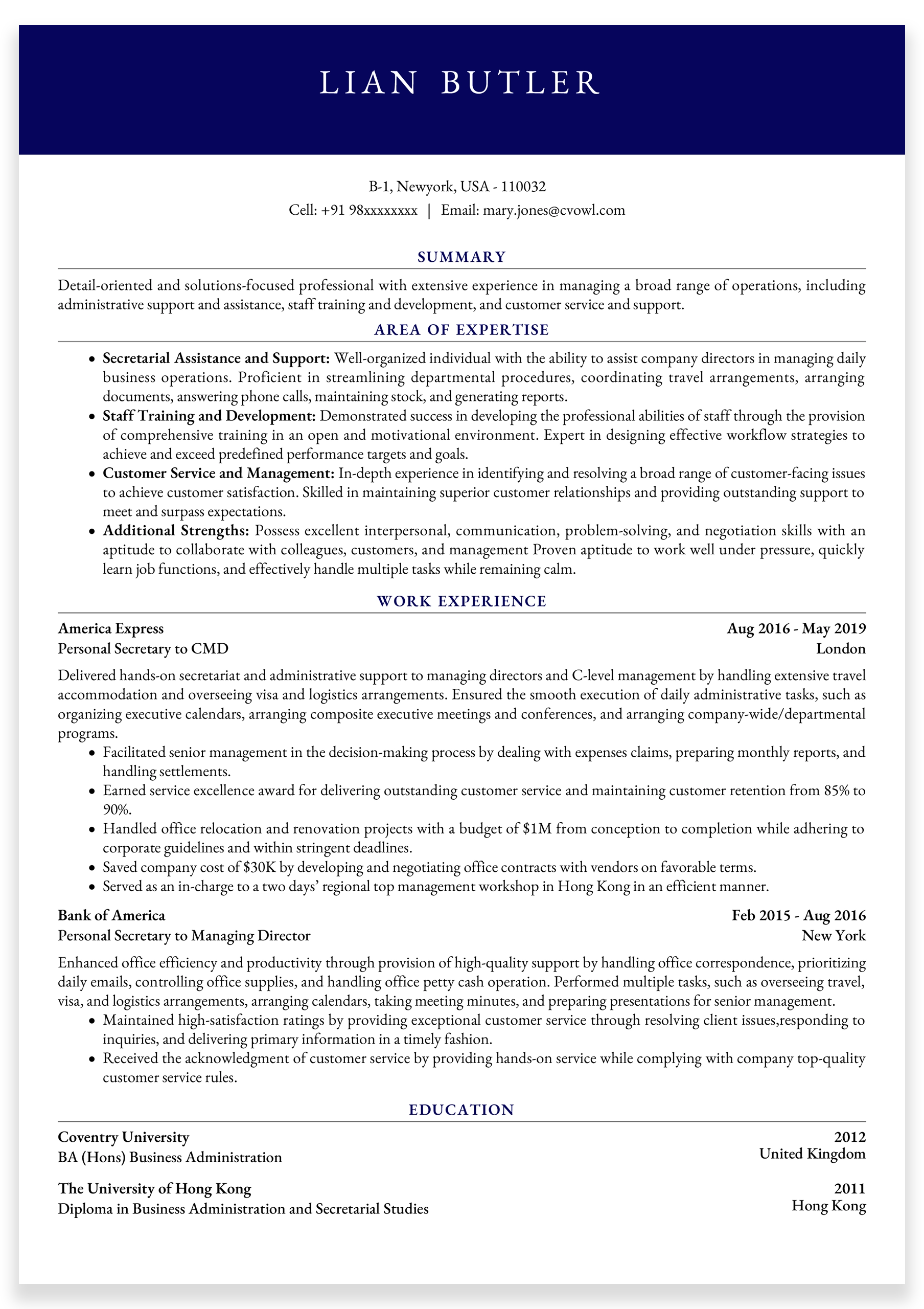
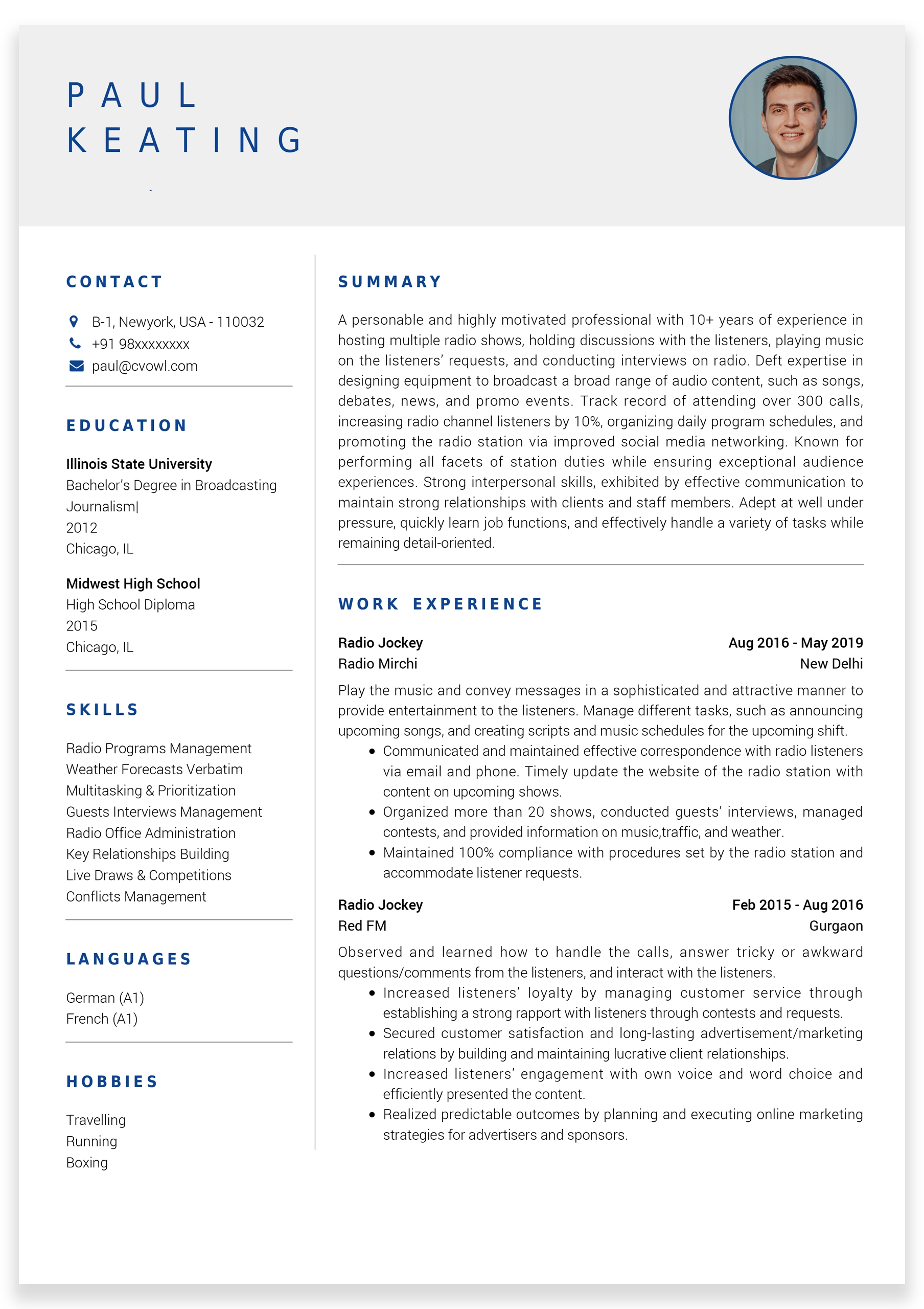
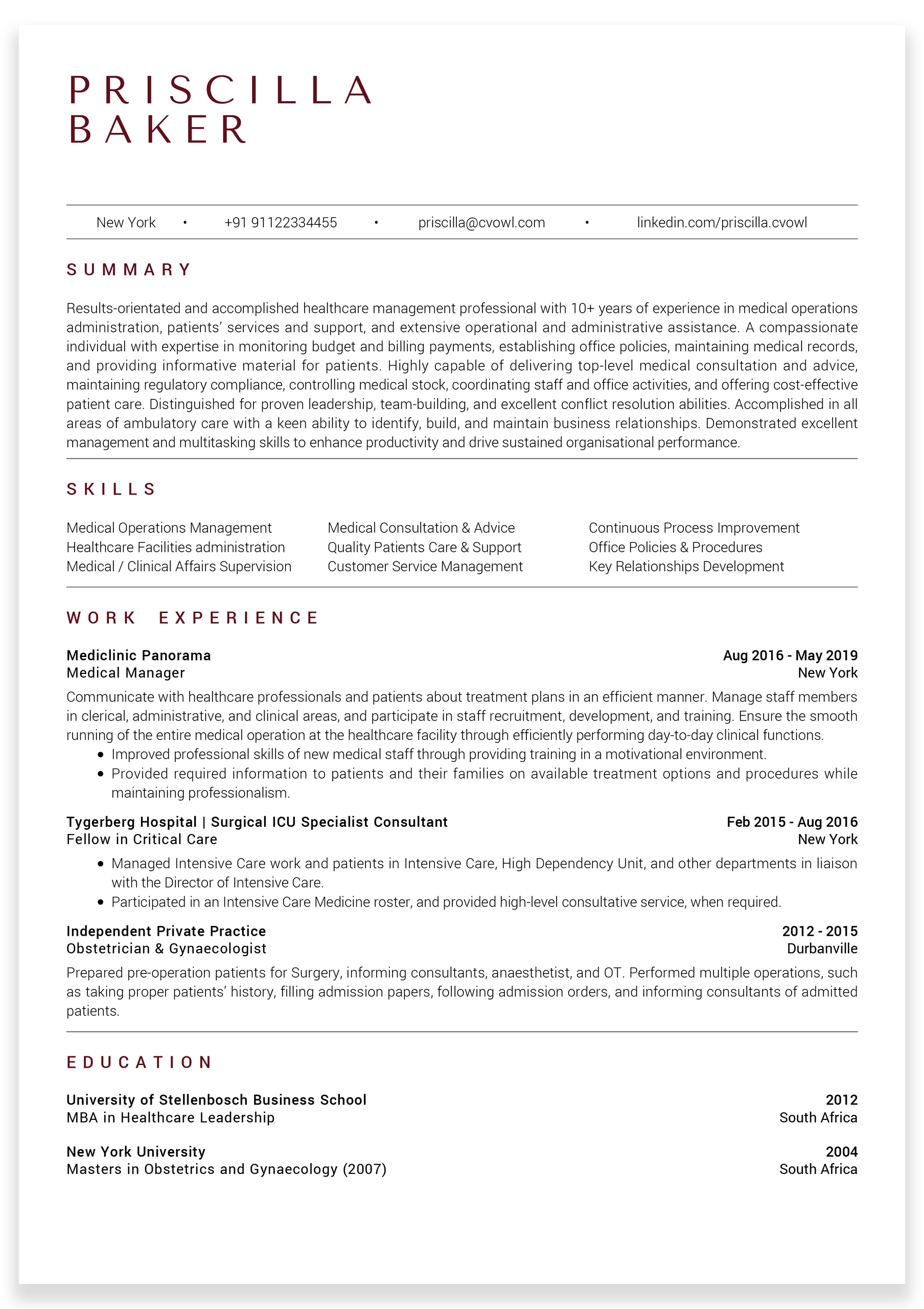
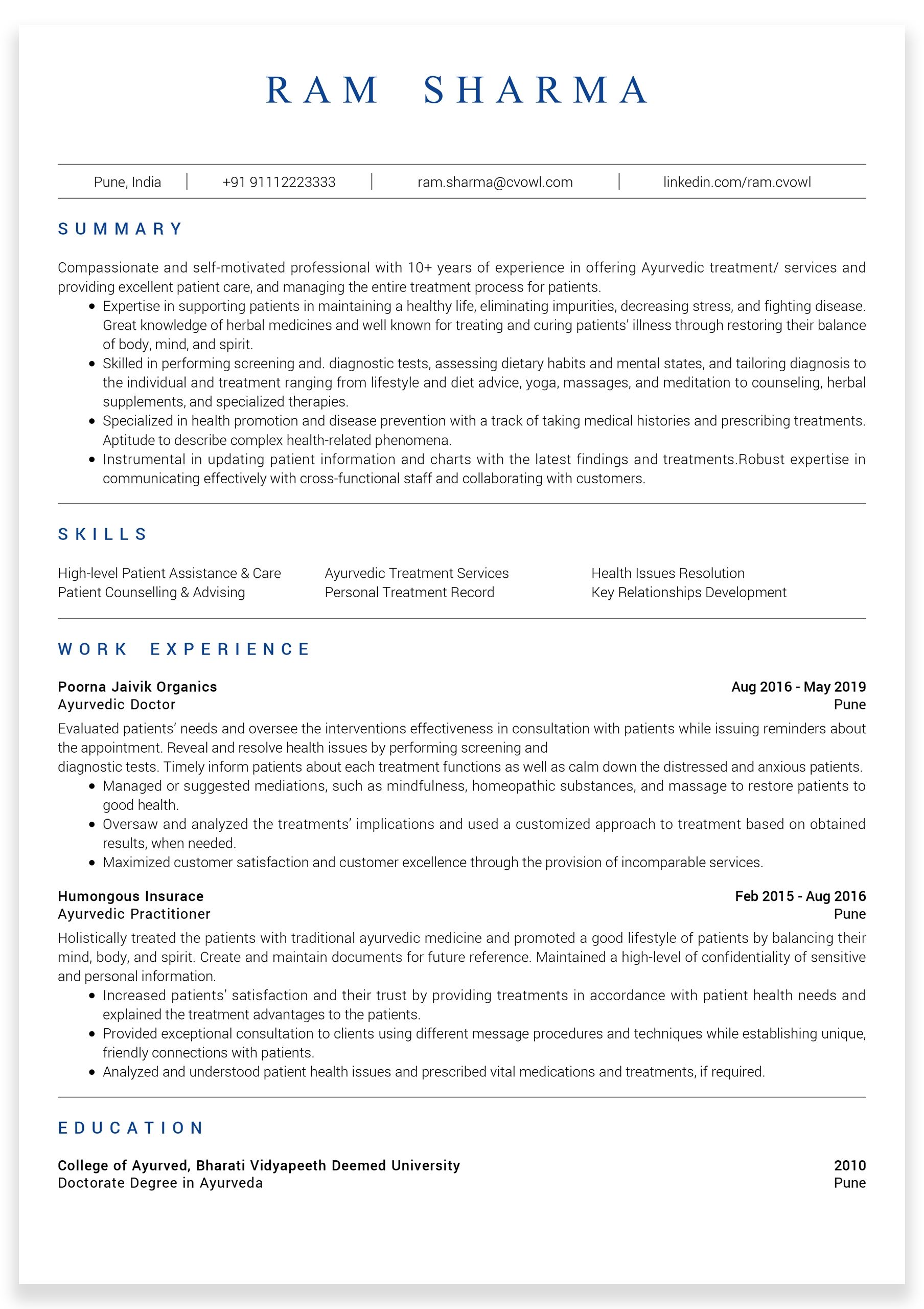
Check out these helpful resources:
Are there specific or subtopics you need included?
2026 M&E trends: simplicity, authenticity, and the rise of ... - EY 17 Dec 2025 —
Each segment of the file name, separated by periods, provides a specific metadata tag that categorizes the content:
Historically, "entertainment content" was passive. You bought a ticket, turned on a TV, or listened to a radio. The boundary between the producer (Hollywood, the major networks, publishing houses) and the consumer was a solid wall.
Released during a prolific period for the studio, "Jossa" is a high-resolution image set that exemplifies the Met-Art aesthetic: a focus on natural beauty, high-end production values, and an emphasis on "Erotic & Beauty" (often abbreviated as EB).
Are there specific (like marketing, regulations, or technology) you want to expand?
For most of the 20th century, entertainment content followed a top-down model. A handful of major Hollywood studios, television networks, and print publishers acted as cultural gatekeepers. Content was created for the masses, meaning television shows, films, and music had to appeal to broad demographics to succeed. This created a shared cultural lexicon; millions of people watched the same broadcast at the same time, establishing a unified pop-culture conversation.
However, this democratization has a dark side: the burnout economy. The algorithm demands quantity. To stay relevant, creators must produce daily content. The result is a rise in "slop"—low-effort, AI-generated, or recycled designed solely to game the recommendation engine. The line between creator and content farm has blurred.
The quality of the best content available today is a 10/10 . The accessibility is a 9/10 . However, the business models, discovery algorithms, and fatigue from franchise oversaturation drag the overall experience down to a 7/10 .
Entertainment is no longer confined to screens; in 2026, it is increasingly about immersive and physical participation
has blurred the line between professional and amateur. A "viral moment" is now a legitimate career path. This shift has fundamentally altered popular media in three ways:
Are you researching the from the early 2010s? Share public link
: Highlighting how "Entertainment-Education" tools focus on empowerment and identifying inequality [6].
What is the for this article (e.g., marketers, students, general public)? What is your desired word count or length constraint?
