Parinda 1989 ❲Proven - PLAYBOOK❳ |


|
|
Parinda 1989 ❲Proven - PLAYBOOK❳Parinda 1989 ❲Proven - PLAYBOOK❳How to create a new label design for Automation using Avery Design Pro 5.0 Follow the steps below to create a new label to be used with Automation Suite using Avery Design Pro 5.0. Before you begin, make a new folder anywhere on your hard drive and name it anything you like. (e.g Template) (I put my new folder on the desktop) Using your windows explorer, go to C:\Router-CIM\Automation\Bin and copy the file called Label.dbf into the folder that you just created. While your there, make a copy of the original RouterCIM.zpd file that is in that folder also. Open Avery Design Pro.
At the Start Screen for Avery Design Pro, click ‘Design from Scratch’.
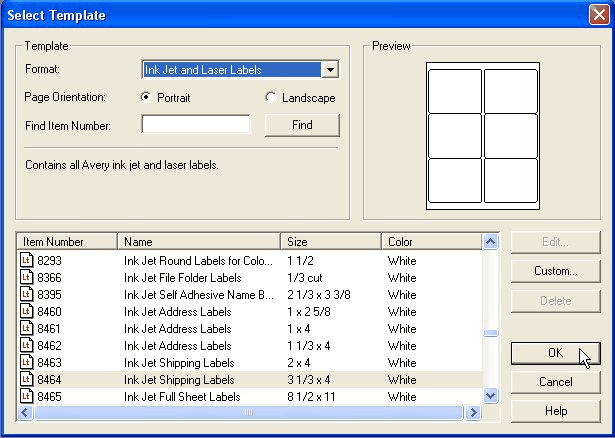
At the Select Template screen, choose the label you would like to use and click ‘OK’.
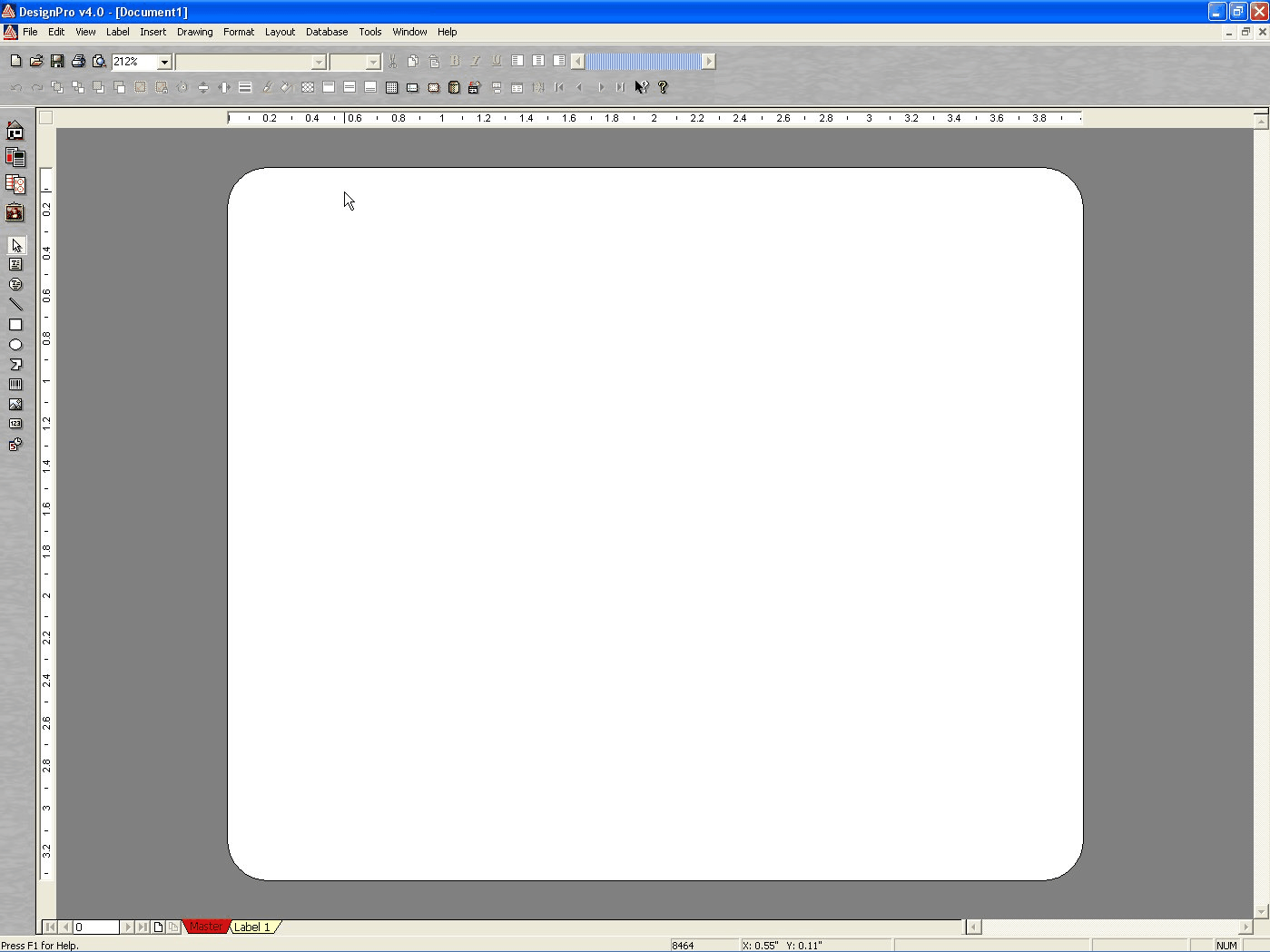
This screen shows actual label that you chose in the previous step.
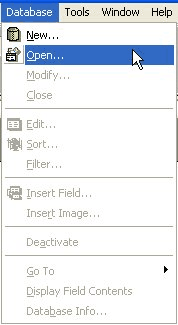
From the Database pull down menu, choose Open…
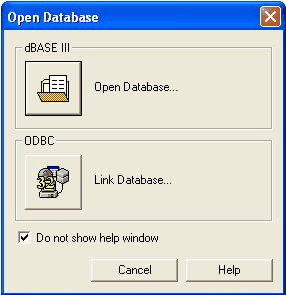
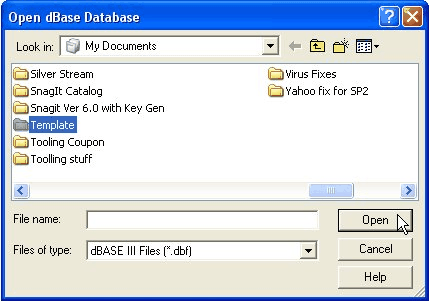
Click on the 'Open Database' icon. At this screen, go to the folder that you created at the very beginning that has the label.dbf
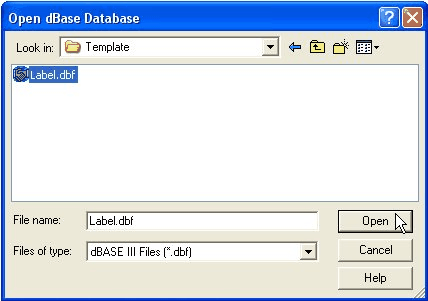
After opening the Template folder (or whatever you called it), select the label.dbf and click ‘Open’.
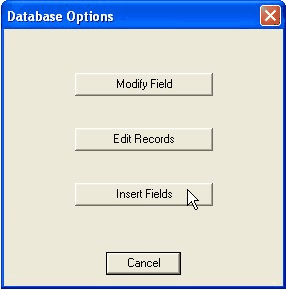
At the next screen, select ‘Insert Fields’.
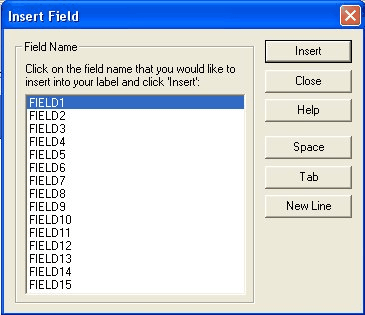
This will open the Insert Fields box.
The next few images will show Field descriptions.
Parinda 1989 ❲Proven - PLAYBOOK❳The music of Parinda , composed by the legendary R.D. Burman, deviates from the typical Bollywood soundtrack. There are no disco numbers or lip-synced fantasies in the traditional sense. The songs are used more as background scores to enhance the mood. The track Tumse Milke remains a classic, not just for its melody but for its picturization. It captures the blossoming of love between Karan and Paro, a brief respite of sunshine before the impending storm. The music complements the film's tonal shift—it is melancholic and longing, mirroring the characters' inability to escape their fates. Parinda is anchored by three career-defining performances. Nana Patekar’s Anna is one of Indian cinema’s greatest villains—not because he is powerful, but because he is unpredictably, quietly unhinged. His famous monologue about his wife’s dying wish (“ Khushi se mar rahi thi… ki uski maut ke baad main kisi ko nahi marunga ” – “She was dying happily… because after her death, I would kill no one”) is a chilling portrait of a man whose capacity for love has been utterly perverted into a justification for sadism. In the late 1980s, Hindi cinema was dominated by the "Masala" formula—a world where heroes defied gravity, morality was black and white, and justice was delivered in the final reel amidst flying bullets and triumphant music. Enter Parinda (Bird). Released in 1989, Vidhu Vinod Chopra’s crime drama did not just bend these rules; it shattered them. It stripped away the gloss of Bollywood to reveal the grime underneath, presenting a narrative that was raw, visceral, and devastatingly human. Parinda is widely credited with pioneering the "Mumbai Noir" genre, proving that Indian audiences were ready for stories grounded in reality, where the heroes bled and the endings were not always happy. At its heart, Parinda is a Shakespearean tragedy centered on the unbreakable yet destructive bond between two brothers: Kishan (Anil Kapoor) and Karan (Jackie Shroff). Raised in the unforgiving streets of Bombay, the older brother, Kishan, makes a Faustian bargain with the underworld. He enters a life of crime, working for the psychopathic gang lord Anna Seth (Nana Patekar), solely to secure a bright, legitimate future and a premium education for his younger sibling. parinda 1989 Are you writing this for a , an academic essay , or a casual review ? Share public link Tragedy strikes when Karan's close friend, Inspector Prakash (Anupam Kher), is brutally murdered by Anna's gang. Driven by a need for vengeance, Karan decides to infiltrate the very gang his brother works for. This decision sets up a violent clash of loyalties, putting the two brothers on opposite sides of a gang war and leading to a tragic and powerful climax. Weaknesses: 'Parinda' (1989) is a masterpiece of Indian cinema, a film that has stood the test of time and continues to captivate audiences with its powerful story, memorable characters, and iconic music. As a cultural artifact, 'Parinda' offers a glimpse into the social and cultural landscape of India in the late 1980s, while its themes and characters continue to resonate with audiences today. With its influence evident in many modern films, 'Parinda' remains a landmark movie, a testament to the power of storytelling and the enduring appeal of Bollywood cinema. Karan's return coincides with the murder of his childhood friend Prakash (Anupam Kher), an honest police officer assassinated by Anna’s men. Karan witnesses the murder, drawing him directly into the line of fire. | Aspect | Details | |--------|---------| | | Vidhu Vinod Chopra | | Writer | Vidhu Vinod Chopra, Shivkumar Subramaniam | | Music | R. D. Burman | | Cinematography | Binod Pradhan | | Cast | Jackie Shroff, Anil Kapoor, Nana Patekar, Madhuri Dixit | | Genre | Gangster drama, crime thriller | | Language | Hindi | | Notable for | Realistic portrayal of Mumbai underworld, raw performances, technical brilliance | The music of Parinda , composed by the legendary R Binod Pradhan utilized a "noir" style, focusing on shadows, dark spaces, and atmospheric lighting inspired by the works of Van Gogh and Rembrandt. Vidhu Vinod Chopra utilized these urban spaces to create a sense of decay and inescapable anxiety, moving far beyond the polished sets of previous eras. Soundtrack: A R.D. Burman Sophistication The story follows two orphaned brothers, (Jackie Shroff) and Karan (Anil Kapoor), who grew up on the streets of Bombay. The songs are used more as background scores
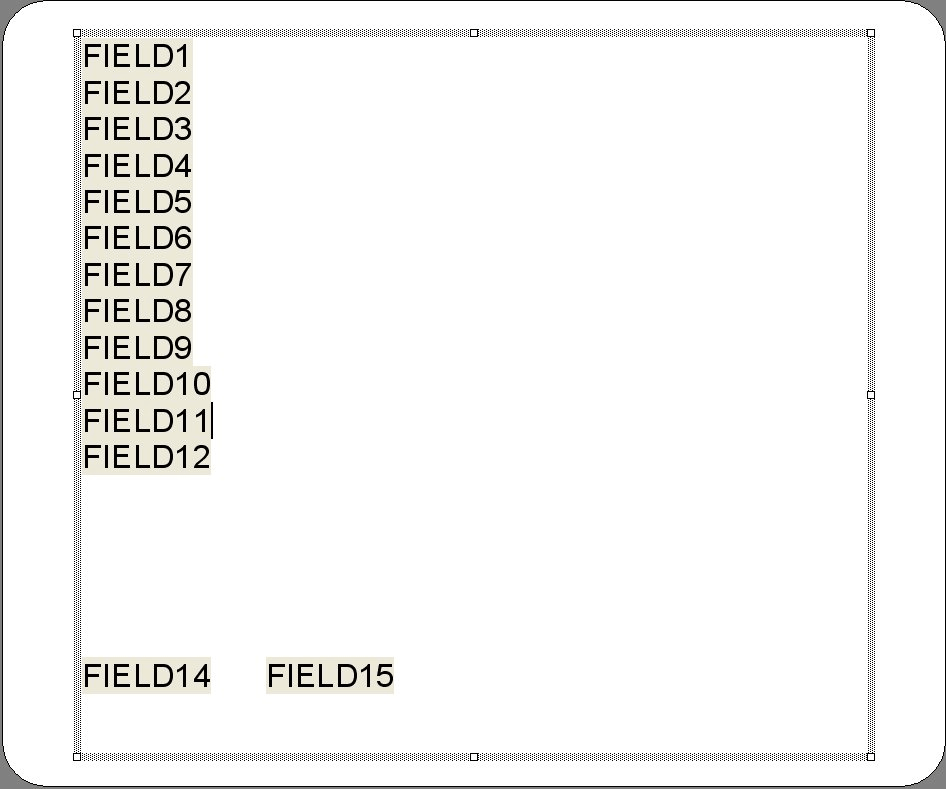
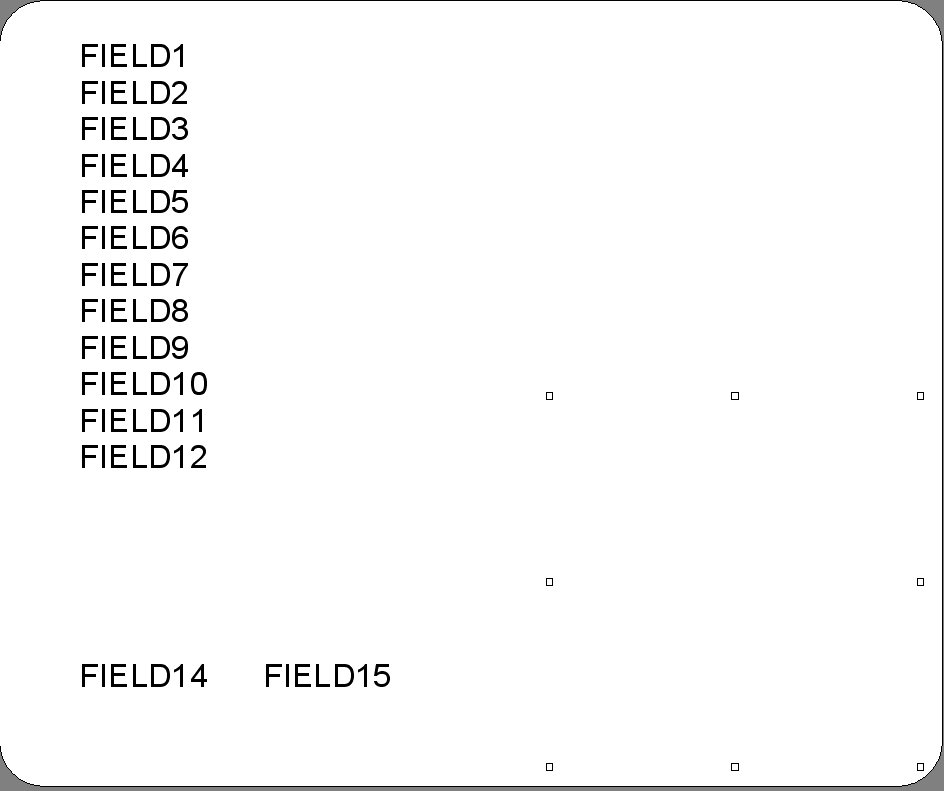
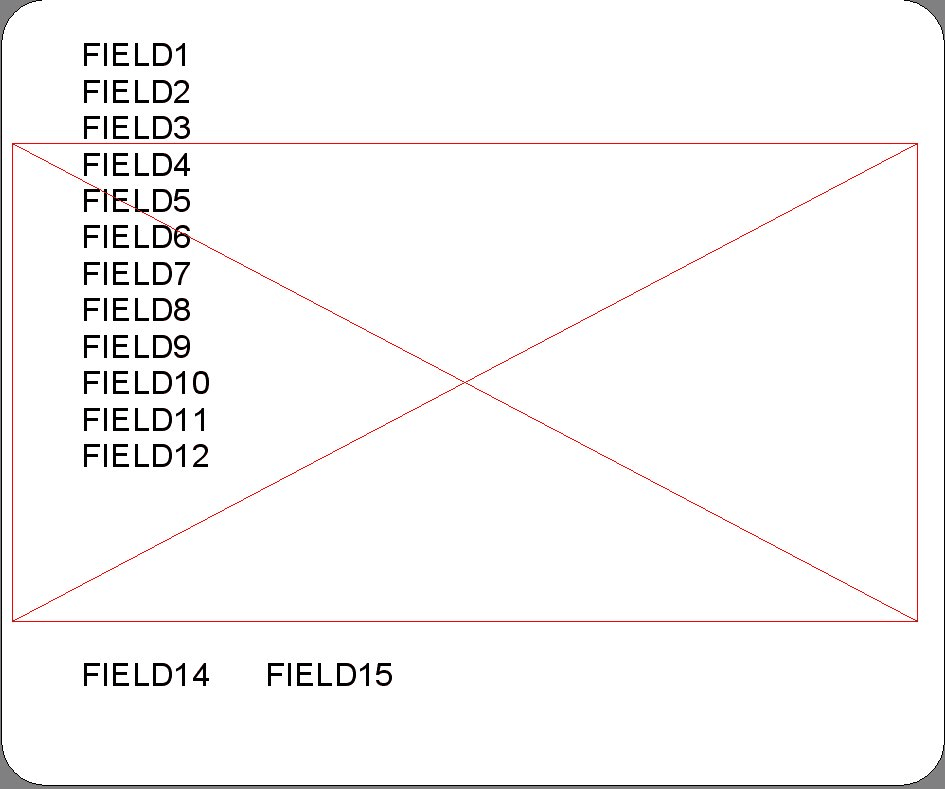
Using the Insert, Space, and New Line buttons, you can make the layout for you’re your new labels. Because of the size of this label, I was able to fit all of the fields on this label. Remember, the size of the label you choose dictates how much information (or how many fields) you can actually place on the label.
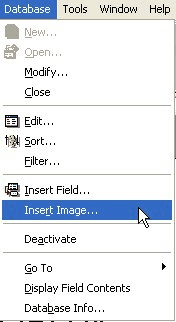
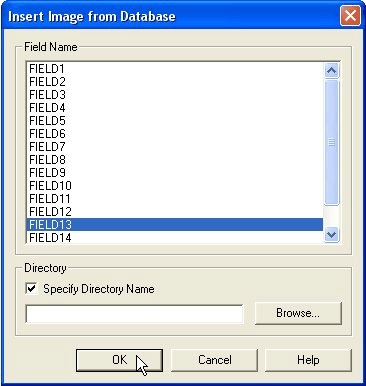
Notice the placement of fields 14 and 15. This will be important because placing it at the bottom of the label; these fields will be at the bottom of the Bar Code. Also notice that Field 13 is not on the label above. This is explained next… Field 13 is the graphic that can show the picture of your part on the label. To place a graphic on the label, from the Database pull down menu, choose ‘Insert Image’
Choose Field 13 and click 'OK'.
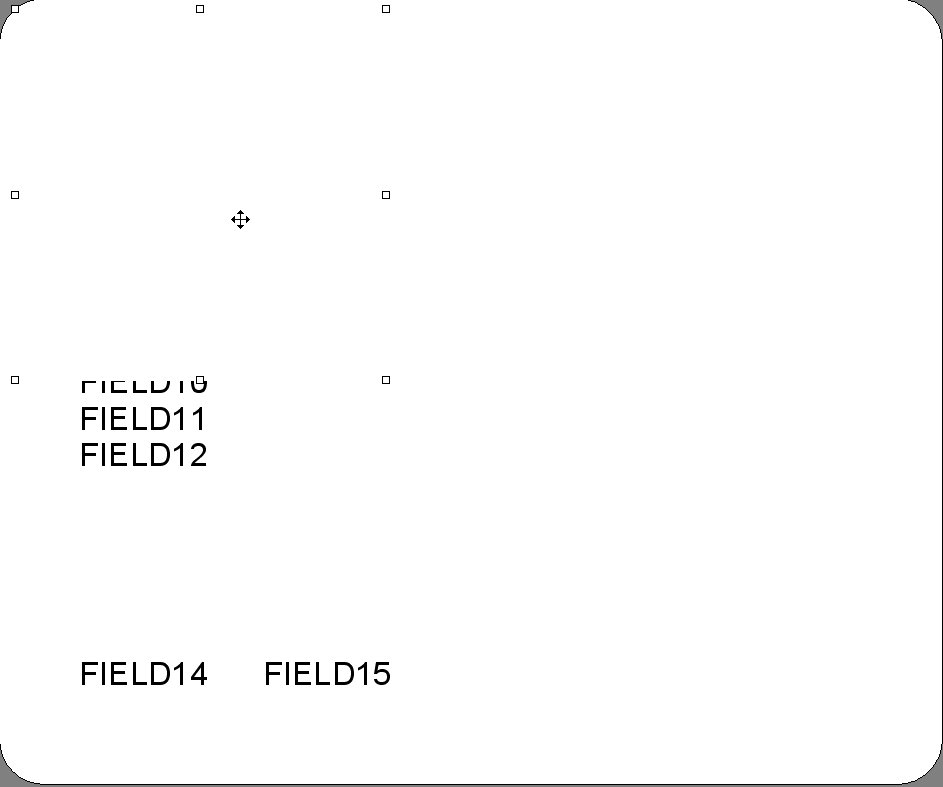
By default, the graphic is placed in the upper left corner of the label.
By grabbing and dragging, place the graphic box in the location you would like your graphic it be placed. For this example, I have placed the graphic in the lower right corner.
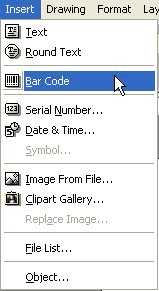
Field 15 is used to place a Bar Code graphic on the label. First, from the Insert pull down menu, choose ‘Bar Code’.
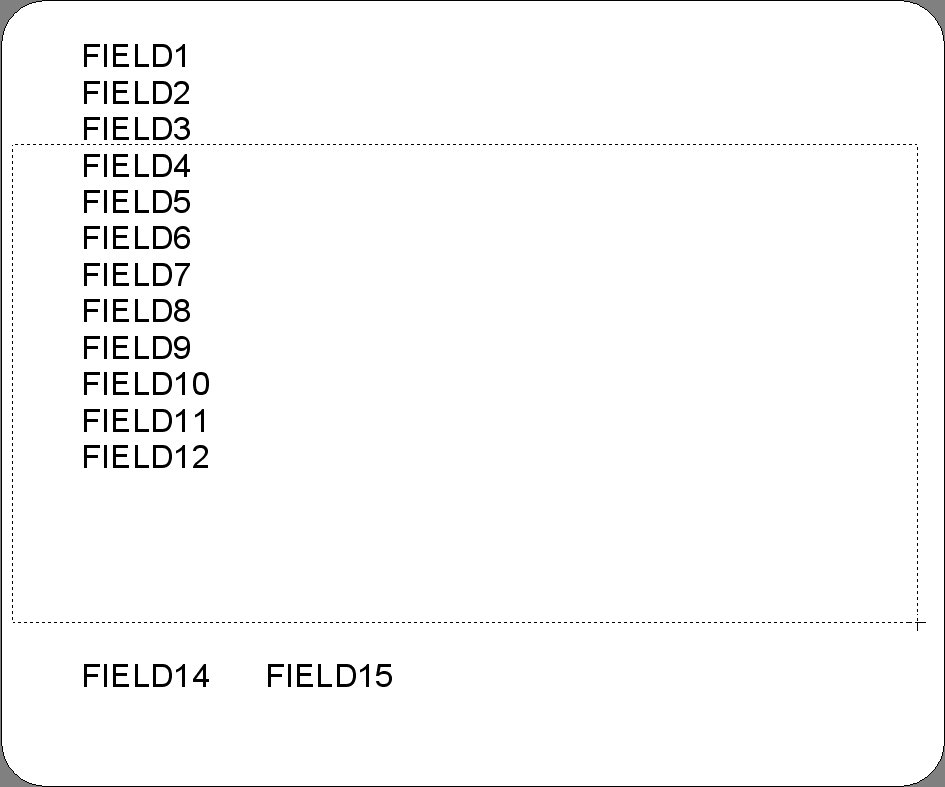
Your cursor will now change, drag from the upper left to the lower right to create a box.
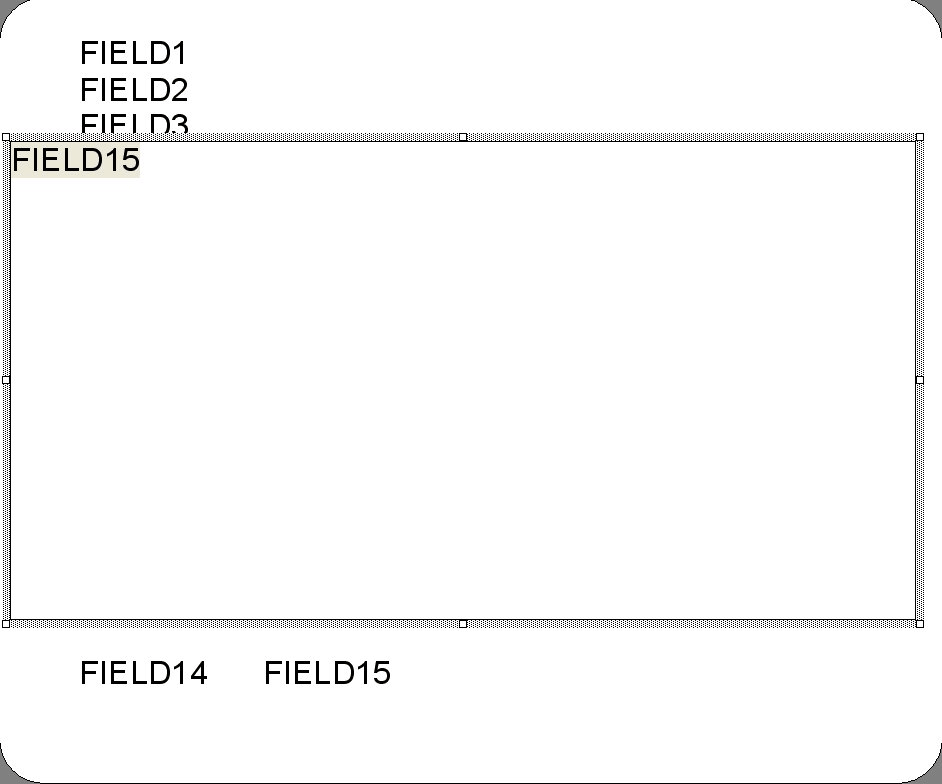
After the box is created, from the Database pull down menu, choose ‘Insert Fields’ and click on Field15 and click ‘Insert'.
When finished, your label should look like this.
NOTE: To prevent the bar code from becoming larger than the label and to have the name of the bar code shown, follow these steps: Highlight the bar code image and right-click on the dotted edge. Select 'Format Bar Code...' for the list.
This will open the Format Bar Code dialog box:
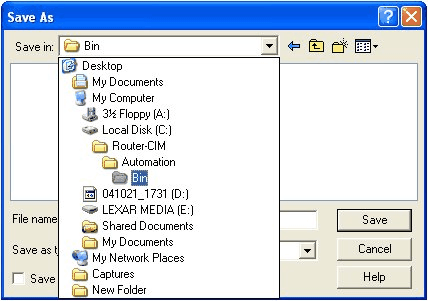
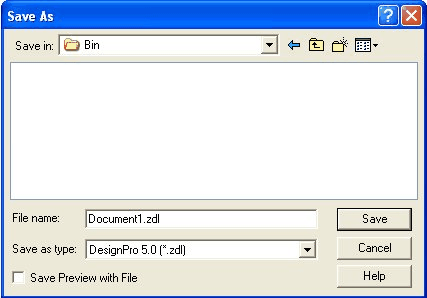
You want to make sure that 'Display Plaintext' and 'Adjust Size' are selected. Now it’s time to save your label. Choose 'Save’ or 'Save As’ from the file pull down menu. The Save in: should be set to C:\Router-CIM\Automation\Bin.
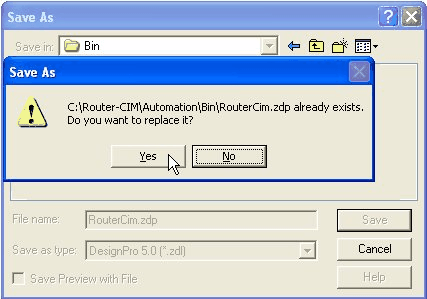
PLEASE NOTE THE FILE NAME: The only choice you have is to save it as a .zdl type at this point. In the File name: type in RouterCIM.zdp and click 'Save'. You should be asked if you would like to overwrite the file. Answer ‘Yes’
Copy the label.dbf file from the Template folder created in the beginning of the tutorial to the C:\Router-Cim\Automation\Bin folder and choose 'Yes' to overwrite the existing file. Then delete the copy of the label.dbf file in the Template folder you created. You are finished….run a job through Automation. When the job if finished and you open the Data Folder, you will see a RouterCIM.zpd file. Double-click on it. You will probably have to set the path for windows to open this type of file. The application to use would be the Labeler.exe found in C:\Program Files\Avery Dennison\DesignPro 5.0 Limited Edition folder. |